
Drake Coleman
LPC-A | Supervised by Chris Groff, JD, MA, LPC-S


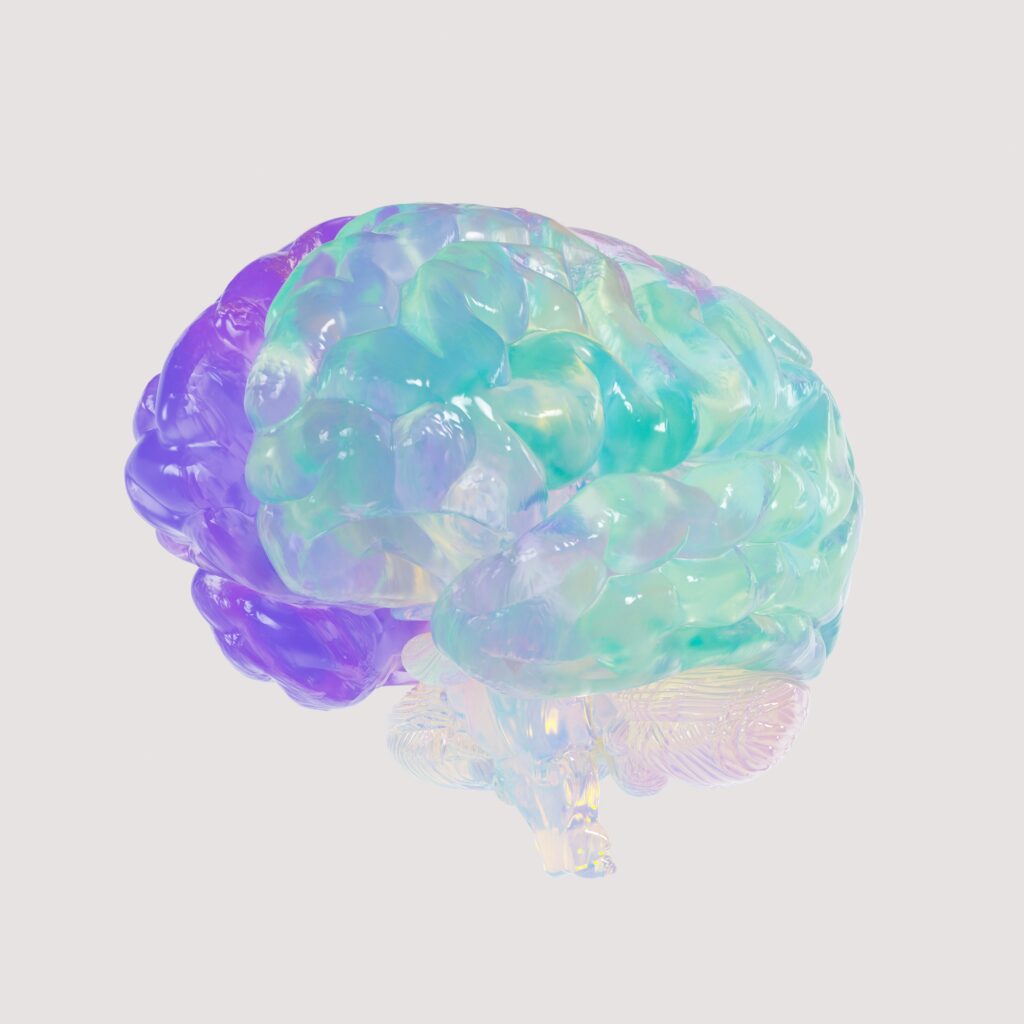
Struggling with ADHD, anxiety, or focus issues? Discover how pIR HEG neurofeedback trains your brain to improve attention, emotional regulation, and stress tolerance.
Beyond Talk Therapy: Unlock What Neurofeedback Can Do for You Read More »

Internship student, Supervised by Liselotte McQuien, LPC
Madalyn Turlington Read More »

Discover how attachment styles shape your relationships and emotional patterns. Learn the difference between secure and insecure attachment, uncover the roots of relational anxiety or avoidance, and explore how to heal and build stronger, more fulfilling connections.
Decoding Attachment Styles in Relationships: Discover the Roots of Emotional Patterns Read More »

Anger isn’t the enemy—it’s a signal. Beneath every flare of frustration lies something softer: fear, hurt, or shame asking to be seen. When we stop fighting our emotions and start understanding them, anger becomes a guide instead of a weapon. It’s not about never getting angry—it’s about learning to respond instead of react.
Transforming Anger Into Strength: How Understanding Your Emotions Leads to True Freedom Read More »

Discover how attachment styles shape your relationships and emotional patterns. Learn the difference between secure and insecure attachment, uncover the roots of relational anxiety or avoidance, and explore how to heal and build stronger, more fulfilling connections.
The Hidden Dangers of Couples Using ChatGPT for Relationship Advice Read More »

Healthy boundaries don’t build walls—they create space for balance, respect, and genuine connection. By learning to communicate your needs clearly, you can reduce stress, regulate your emotions, and strengthen your relationships. Setting limits isn’t about keeping people out—it’s about honoring yourself while inviting healthier interactions in.
Reclaim Your Peace: The Life-Changing Impact of Setting Healthy Boundaries Read More »

When conflict overwhelms, it’s rarely just about the moment. Flooding often traces back to family-of-origin wounds. Old patterns that shape how we love, argue, and seek safety. Learning to recognize and speak from the child within each of us helps transform gridlock into understanding.